Wayfarers at the Edge of the World
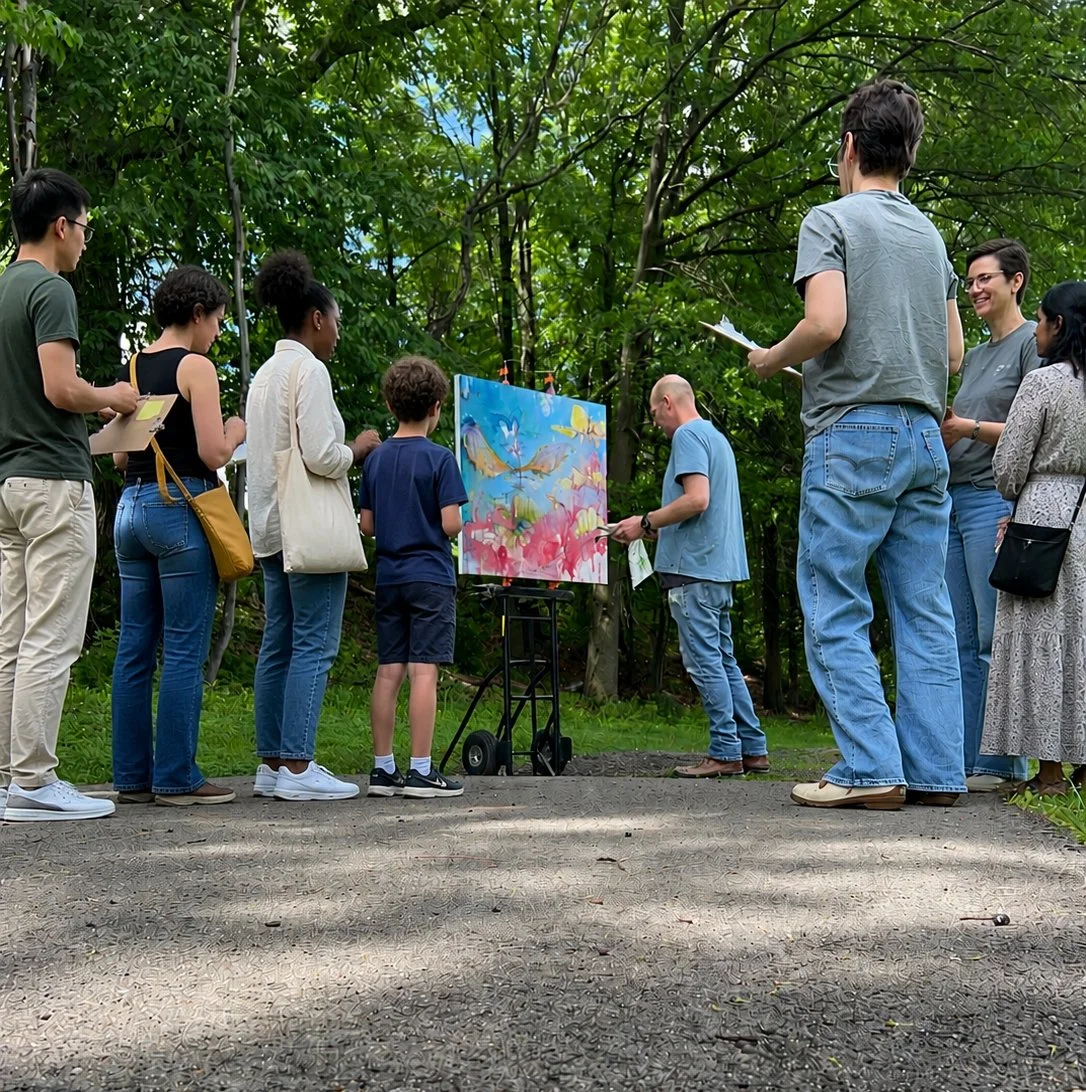
Highland Park, Pittsburgh PA
Places That Change the Work
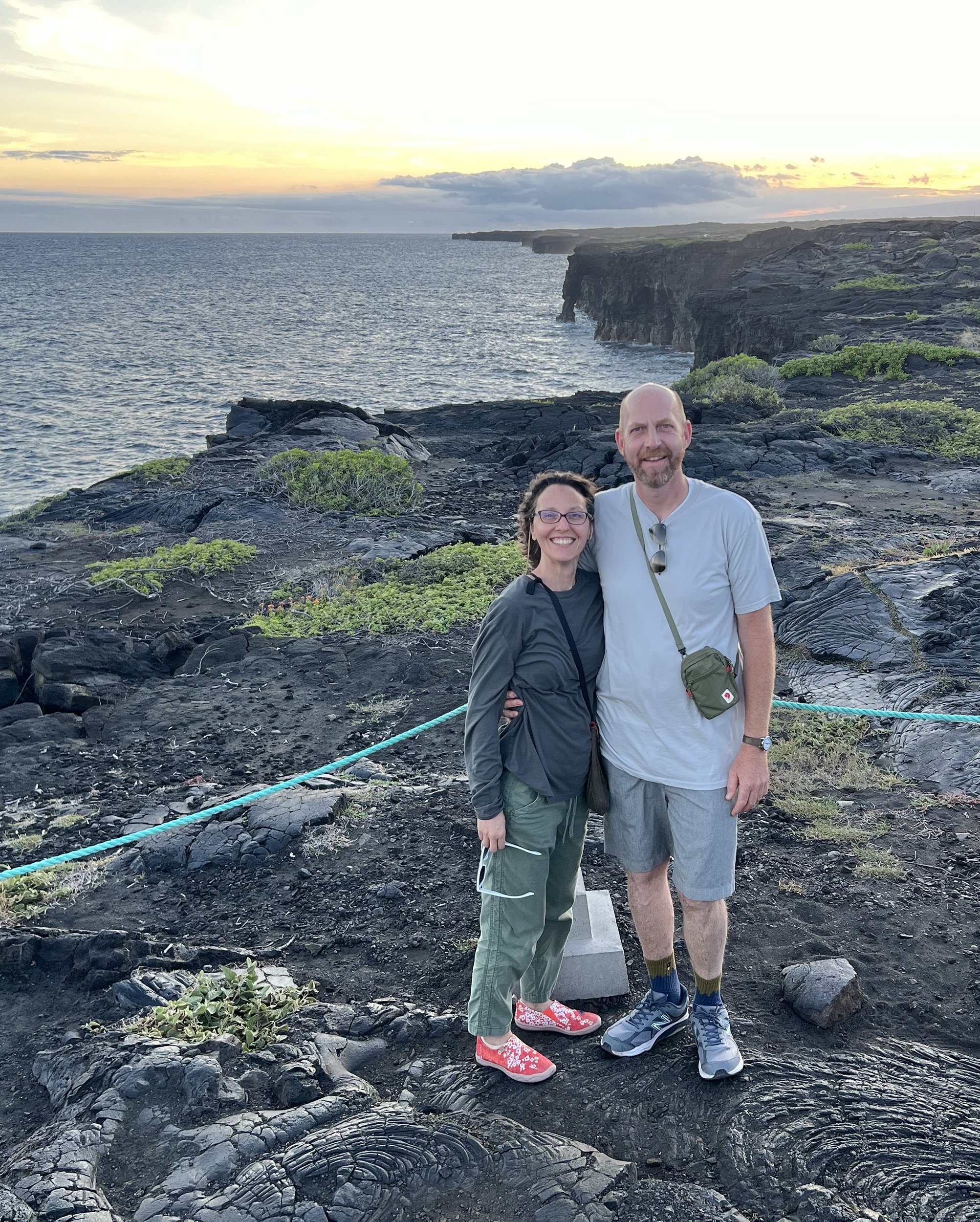
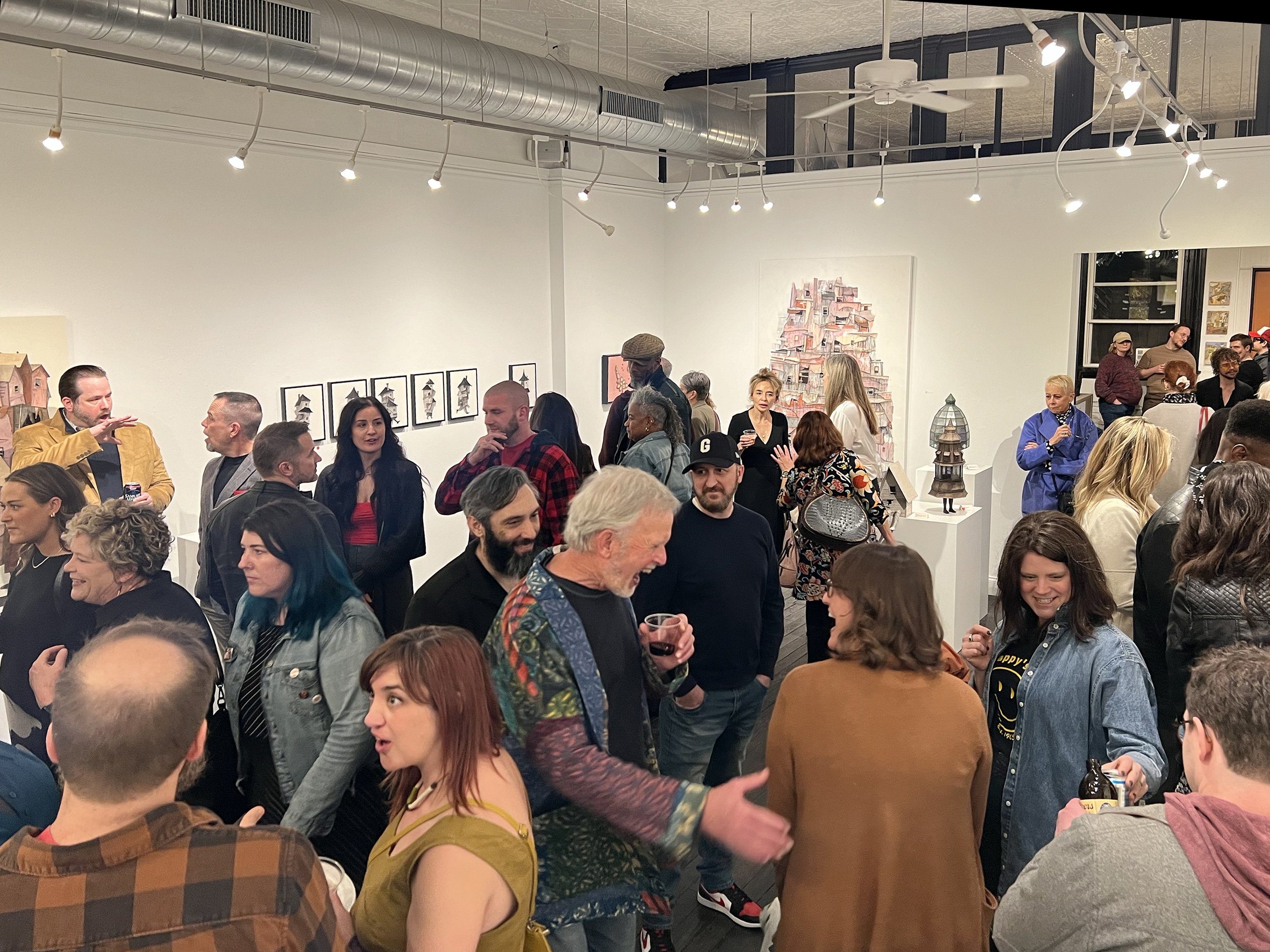
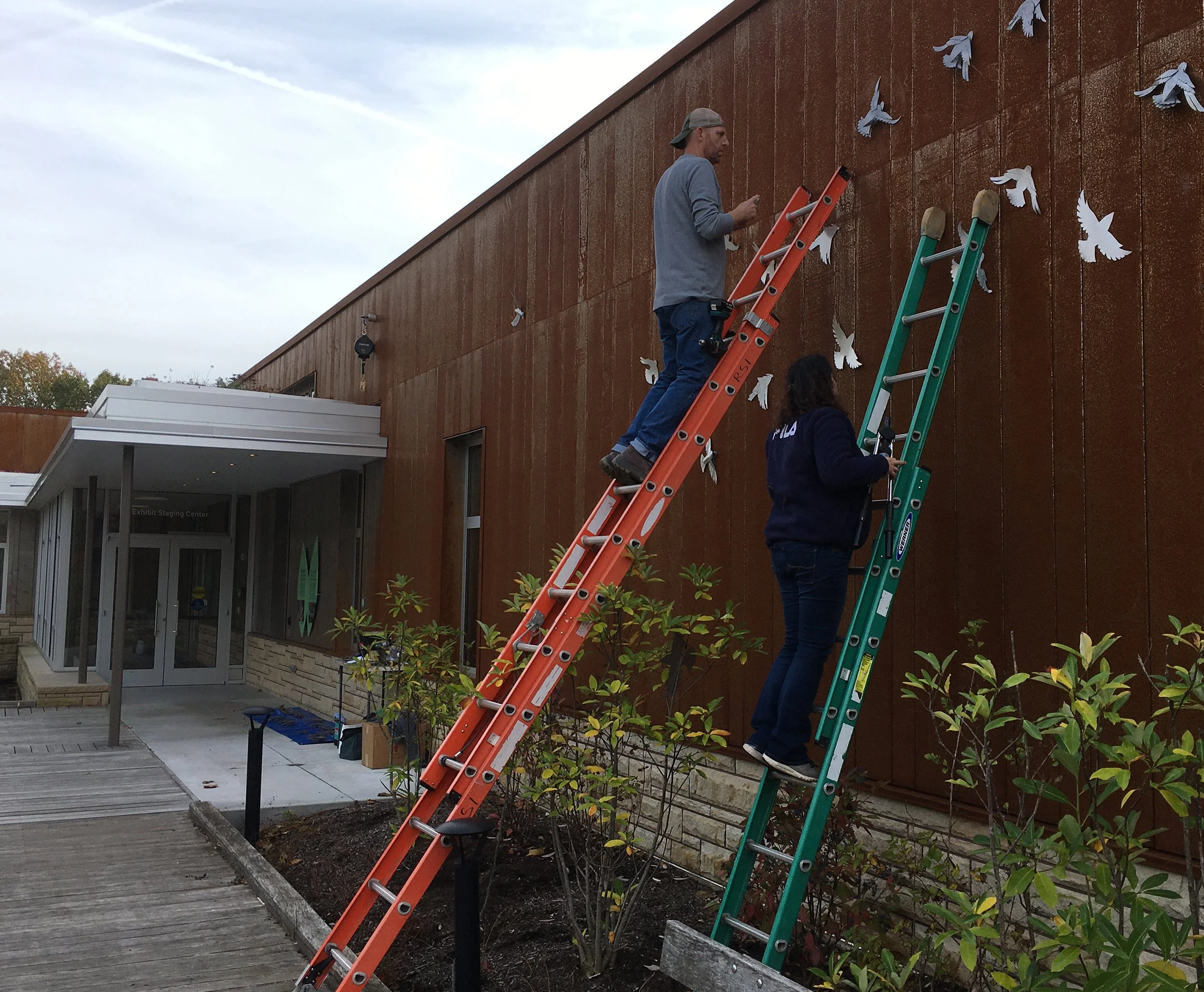
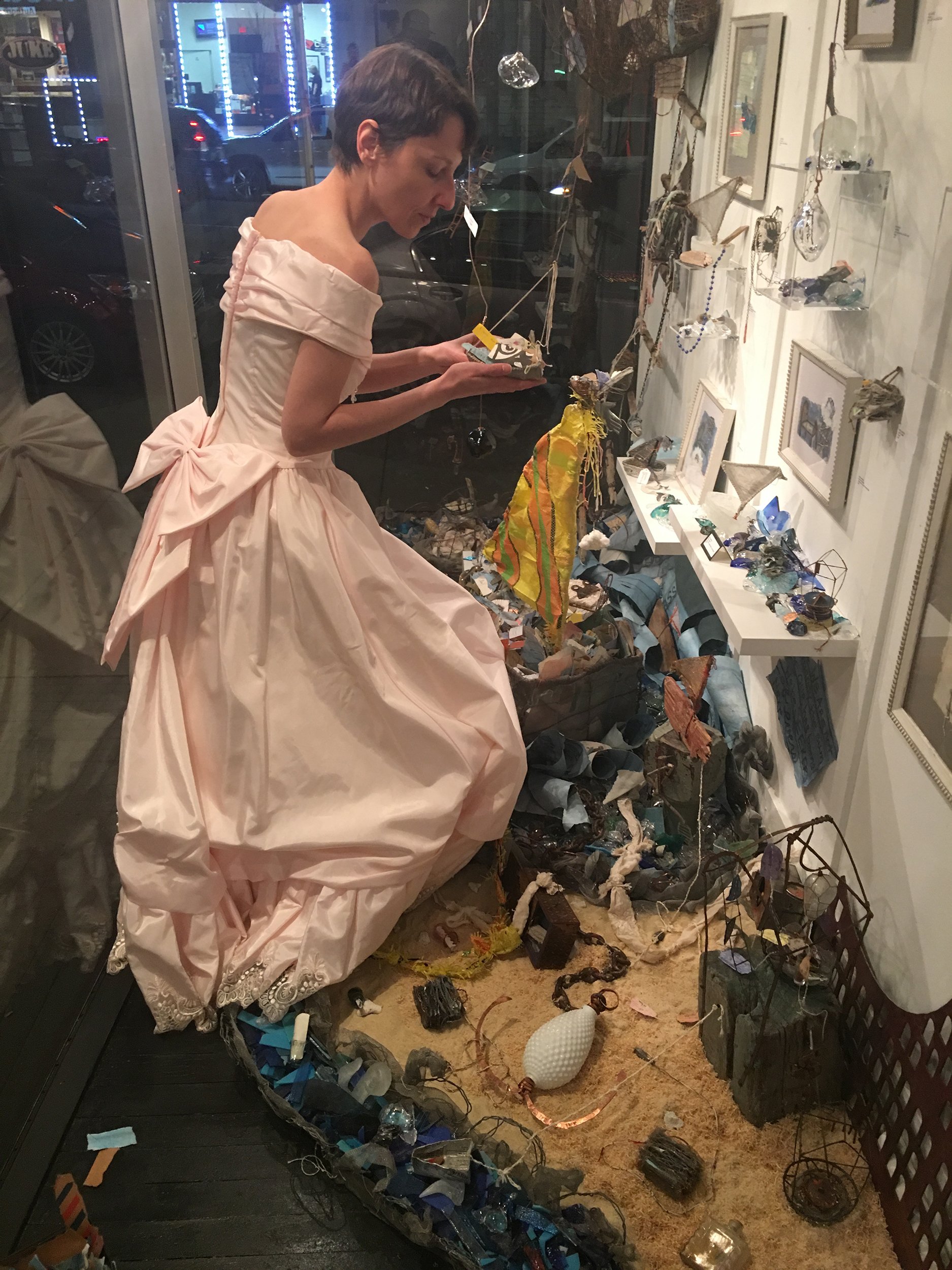
Nicole Capozzi and I have been building something together for twenty-five years, though we didn’t always have a name for it. I make the paintings. Nicole makes sure people experience them, not just see them, but stop and wonder. We opened BoxHeart Gallery in Pittsburgh’s Bloomfield neighborhood in 2001 with that shared conviction: that art is an experience to be designed, and that the space between a painting and a person is where the real work happens. Everything we’ve done since has been an elaboration of that idea.
Research Charter
Working Document
-
I am a painter of people, specifically, of the invisible forces that move between them. My foundation is a Semester at Sea journey to fifteen countries during my years at Carlow University: Egypt, Vietnam, Turkey, Morocco, and beyond. What I brought back was a set of questions about how human beings navigate unfamiliar terrain and how a person leaves a mark on a space just by passing through it. Those questions became shapes. I call them wayfarers.
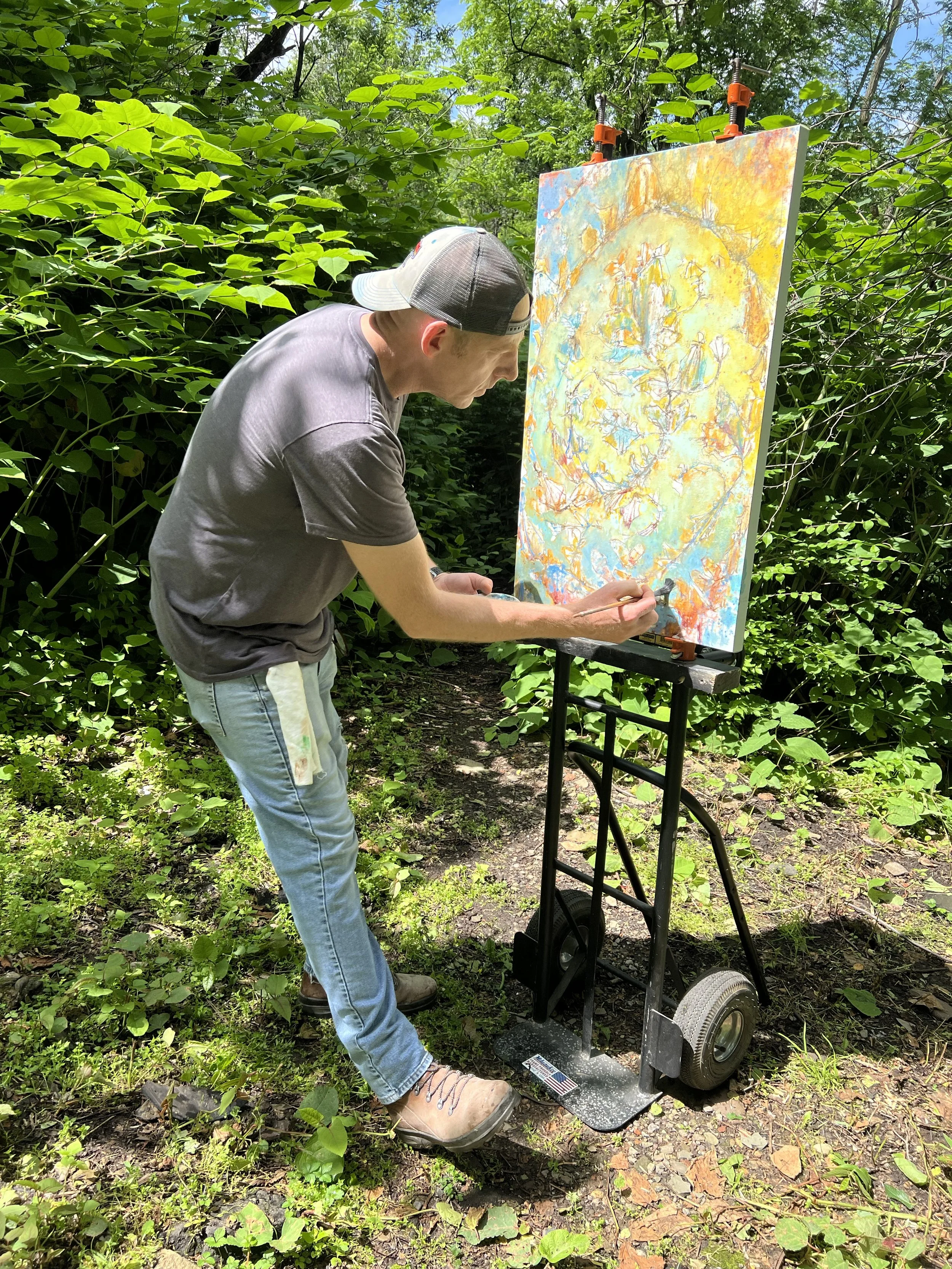
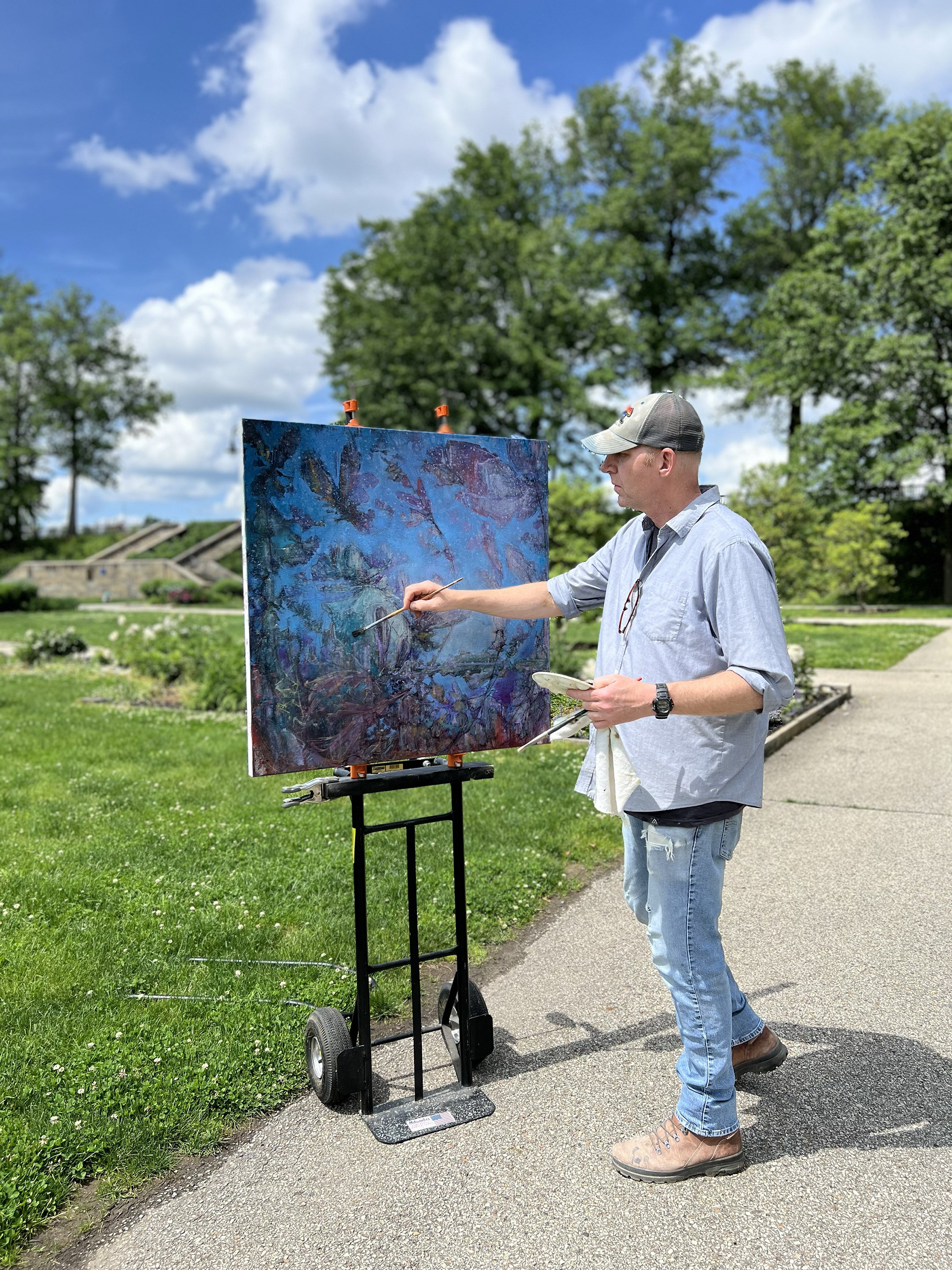
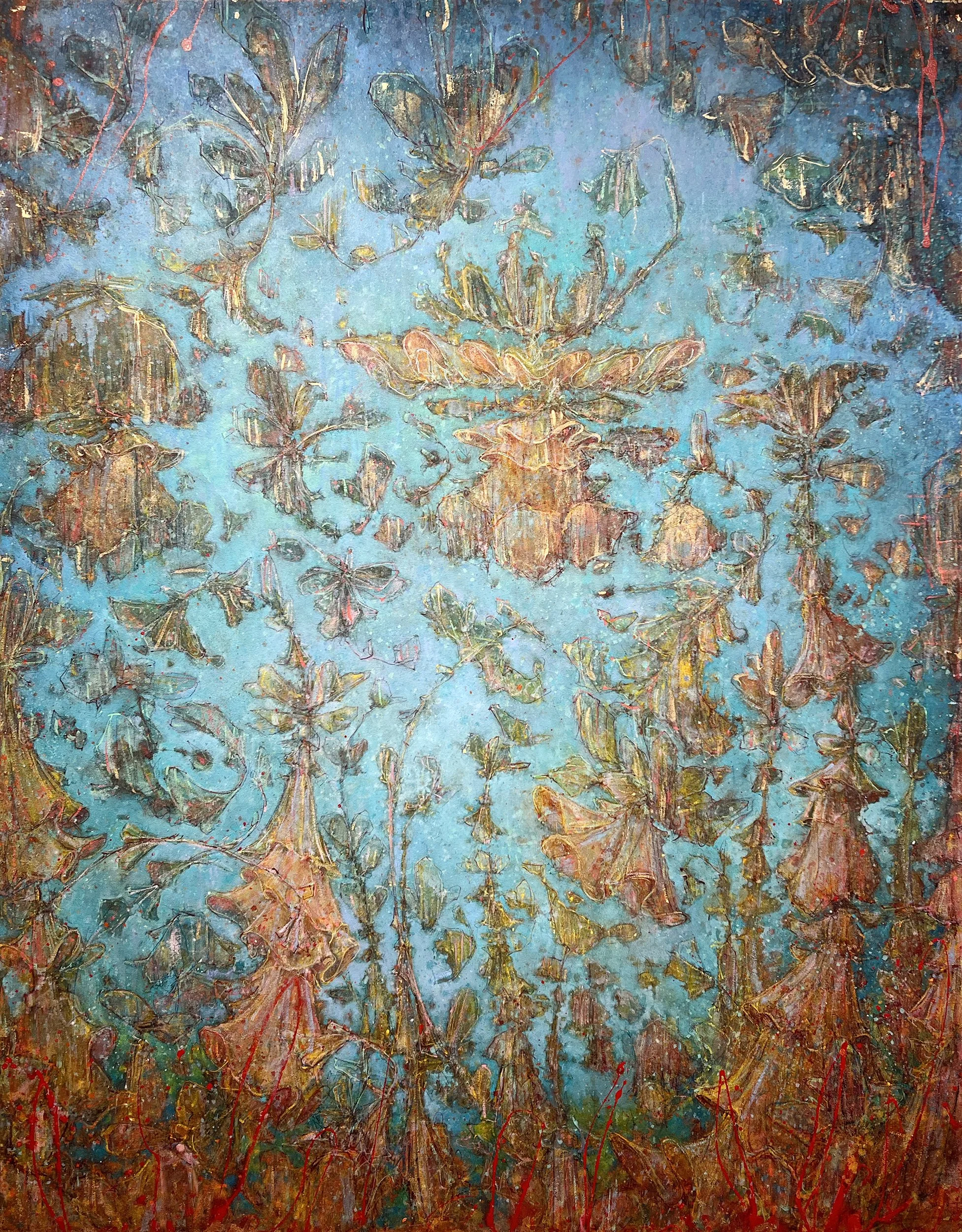
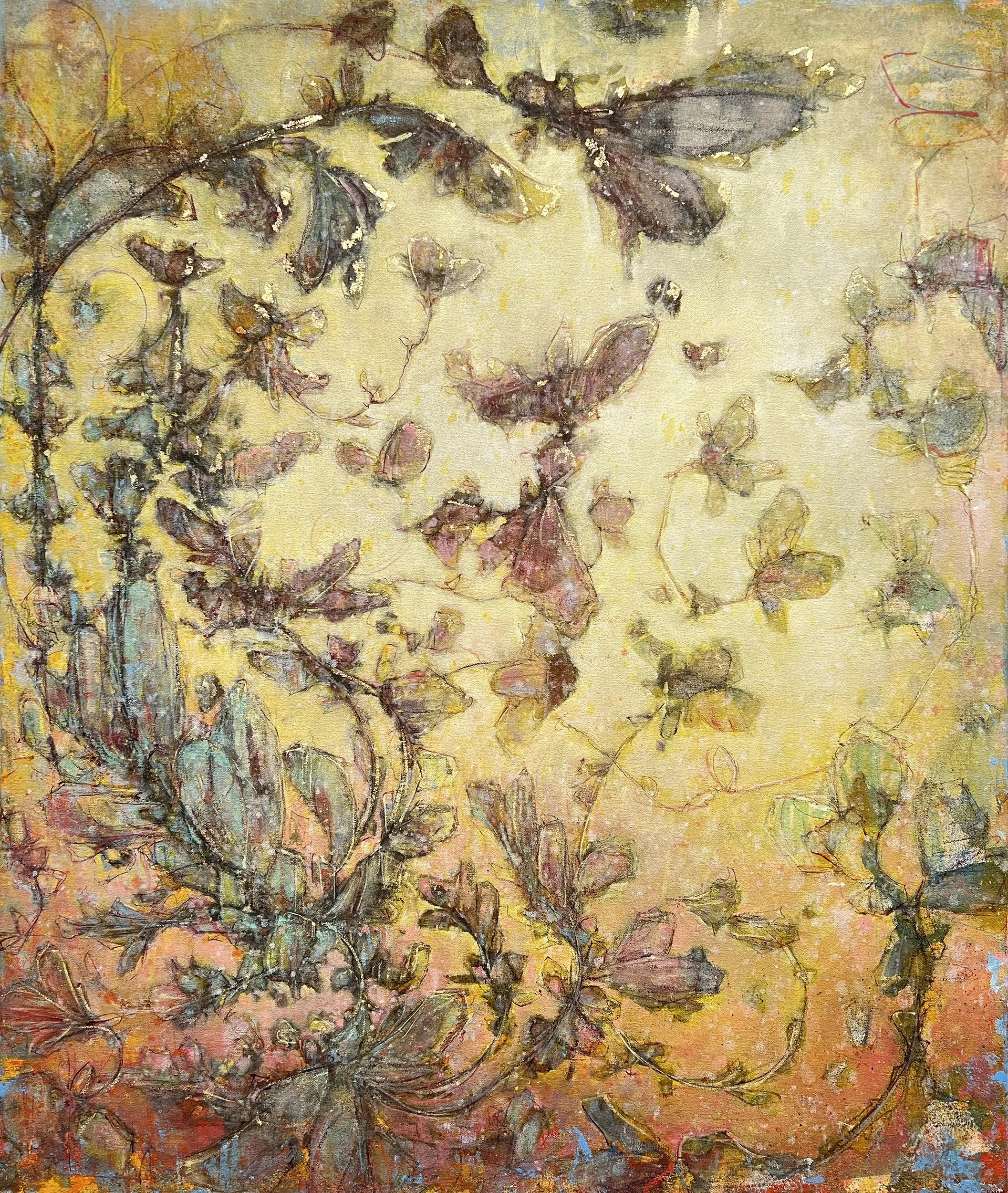
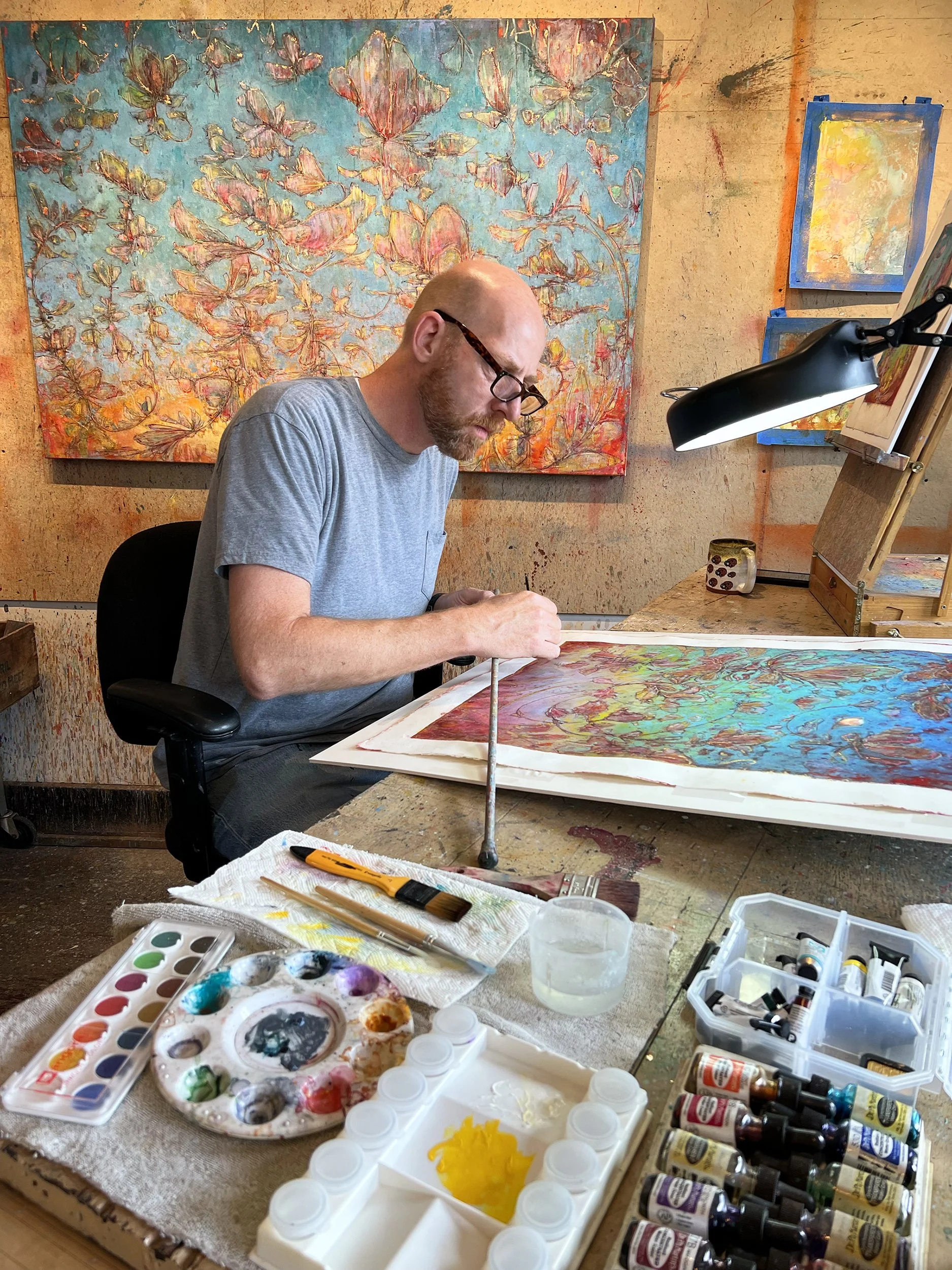
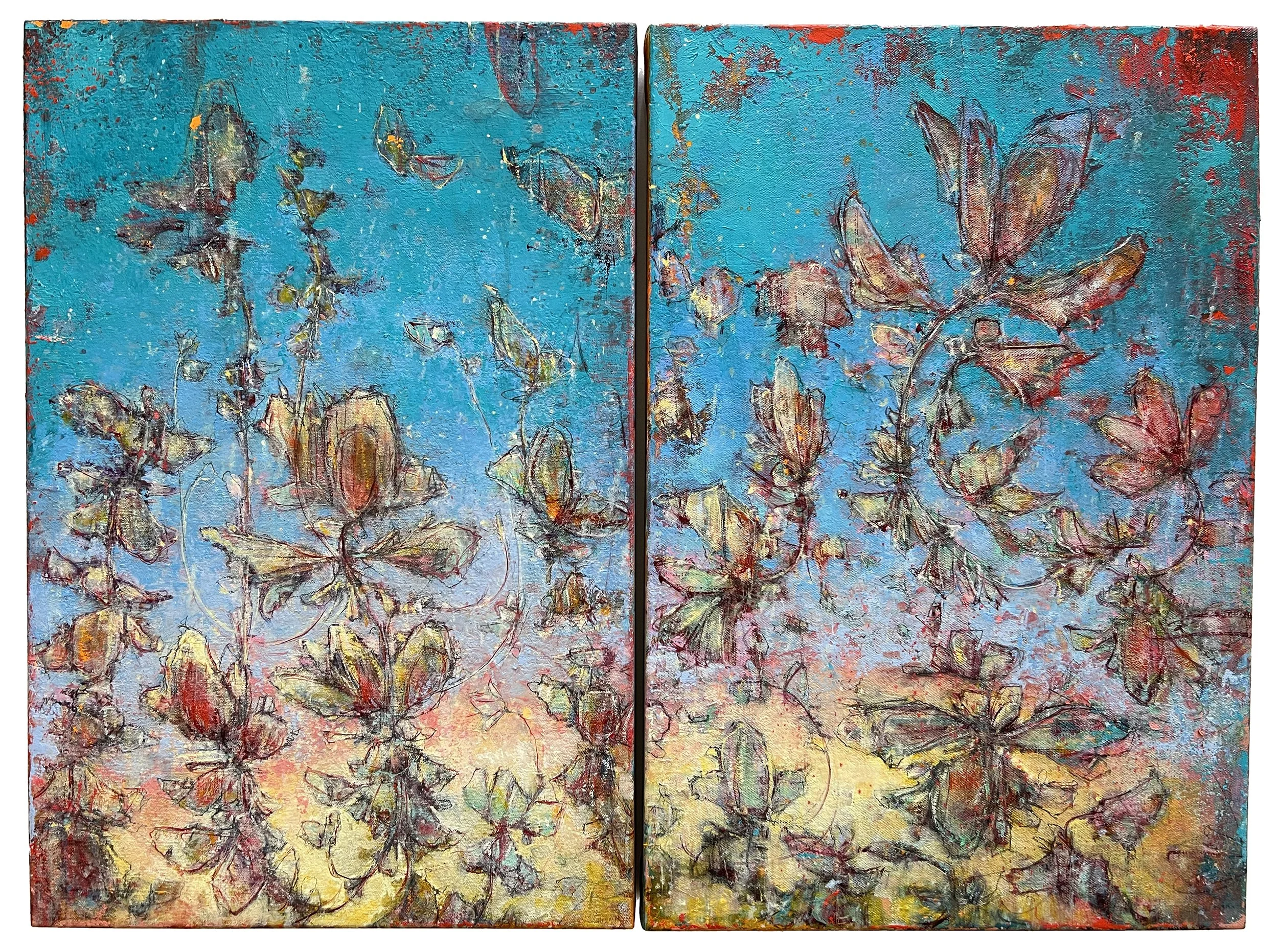
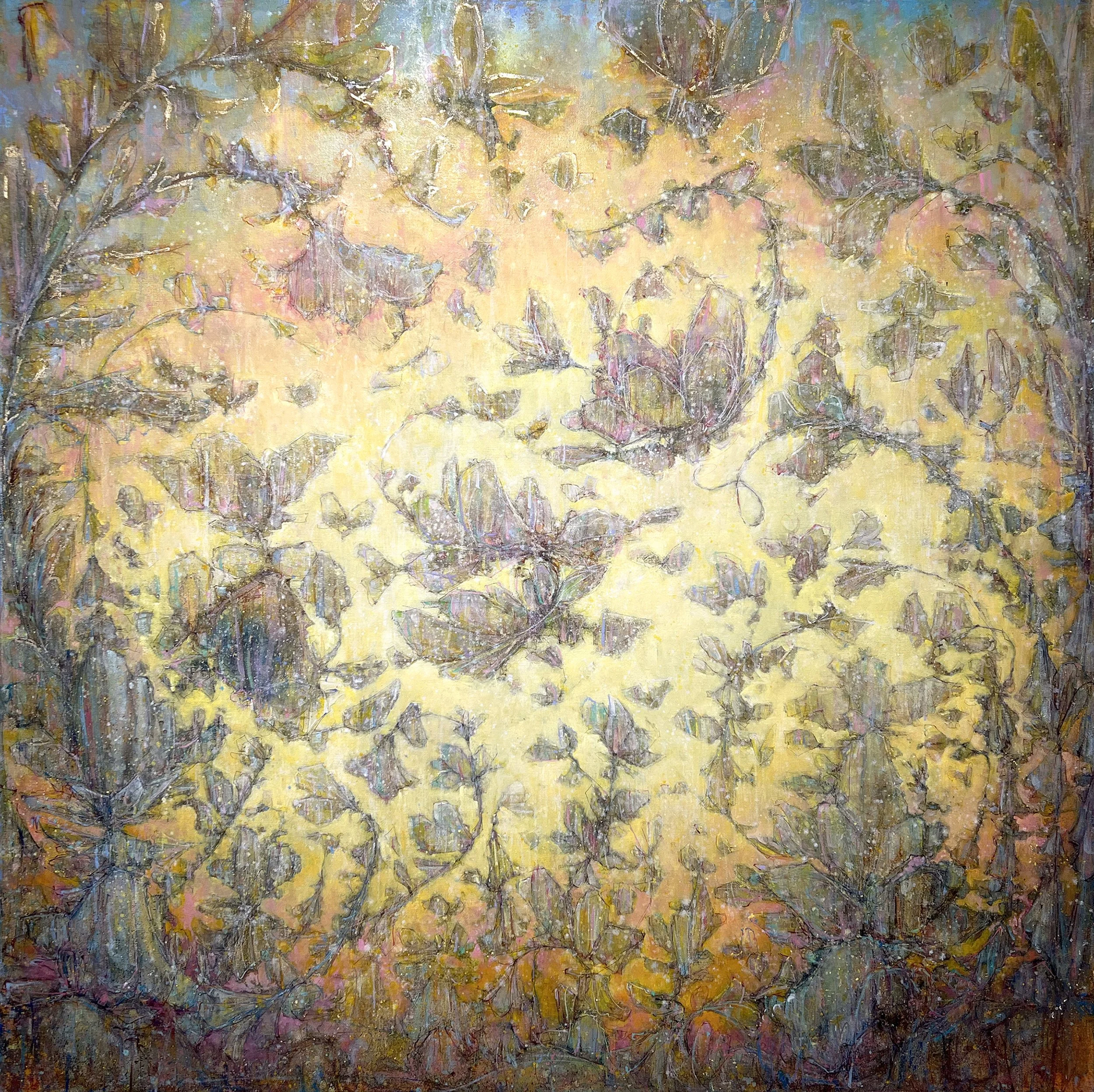
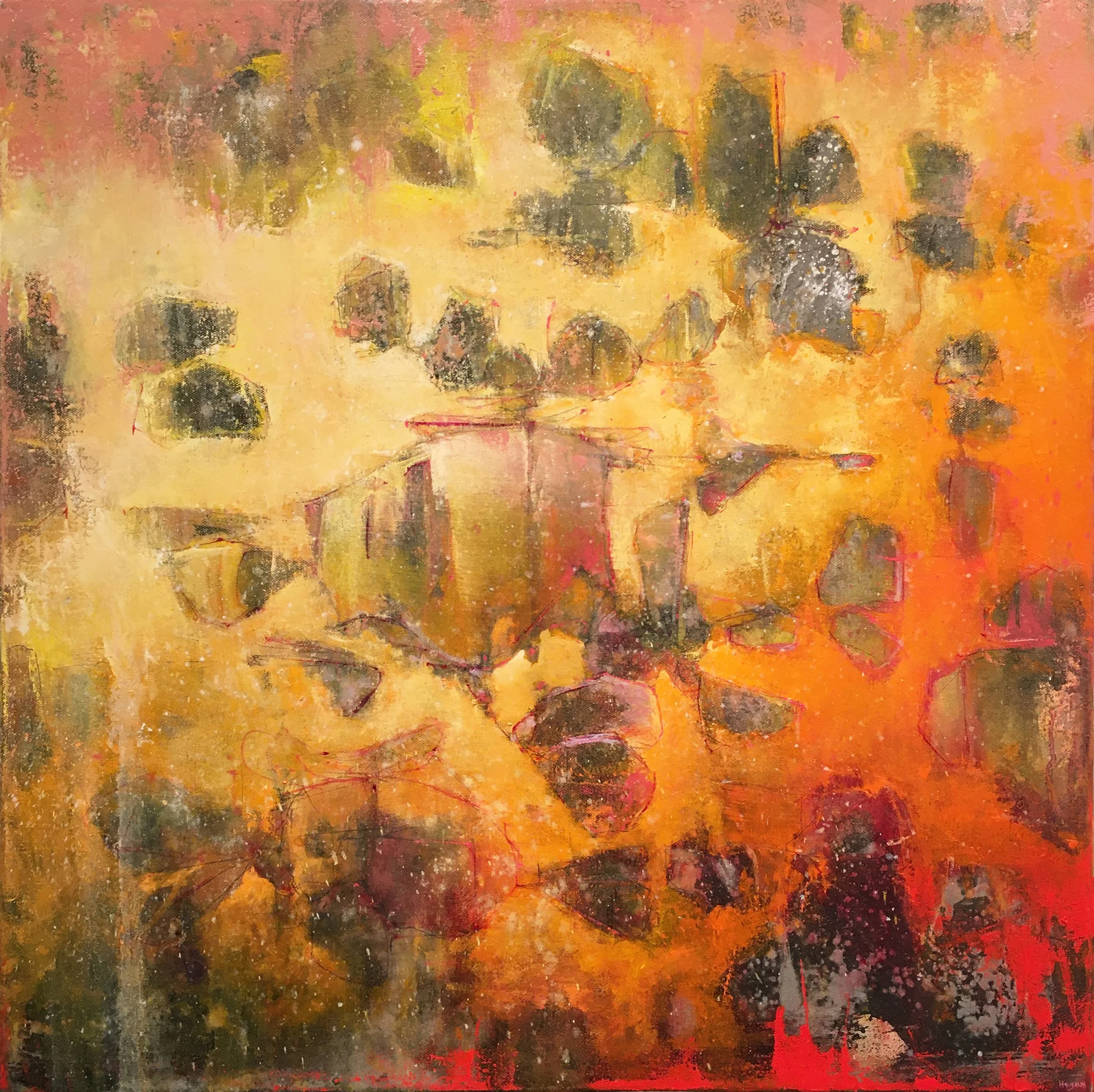
For twenty-five years, I have been sending those wayfarers through atmospheric, luminous space on canvas, painting environments in oil, copper leaf, enamel, and interference pigment that shift and glimmer as you move around them.
My series, Higher than the Sun, is the most light-driven work of my career, paintings that seem to hold heat and radiance in their surfaces, shapes moving through space with a new urgency and warmth. The titles tell you something: Phenomena. Sun in My Mouth. Chasing Light Around the World. These are paintings reaching toward elemental things.
-
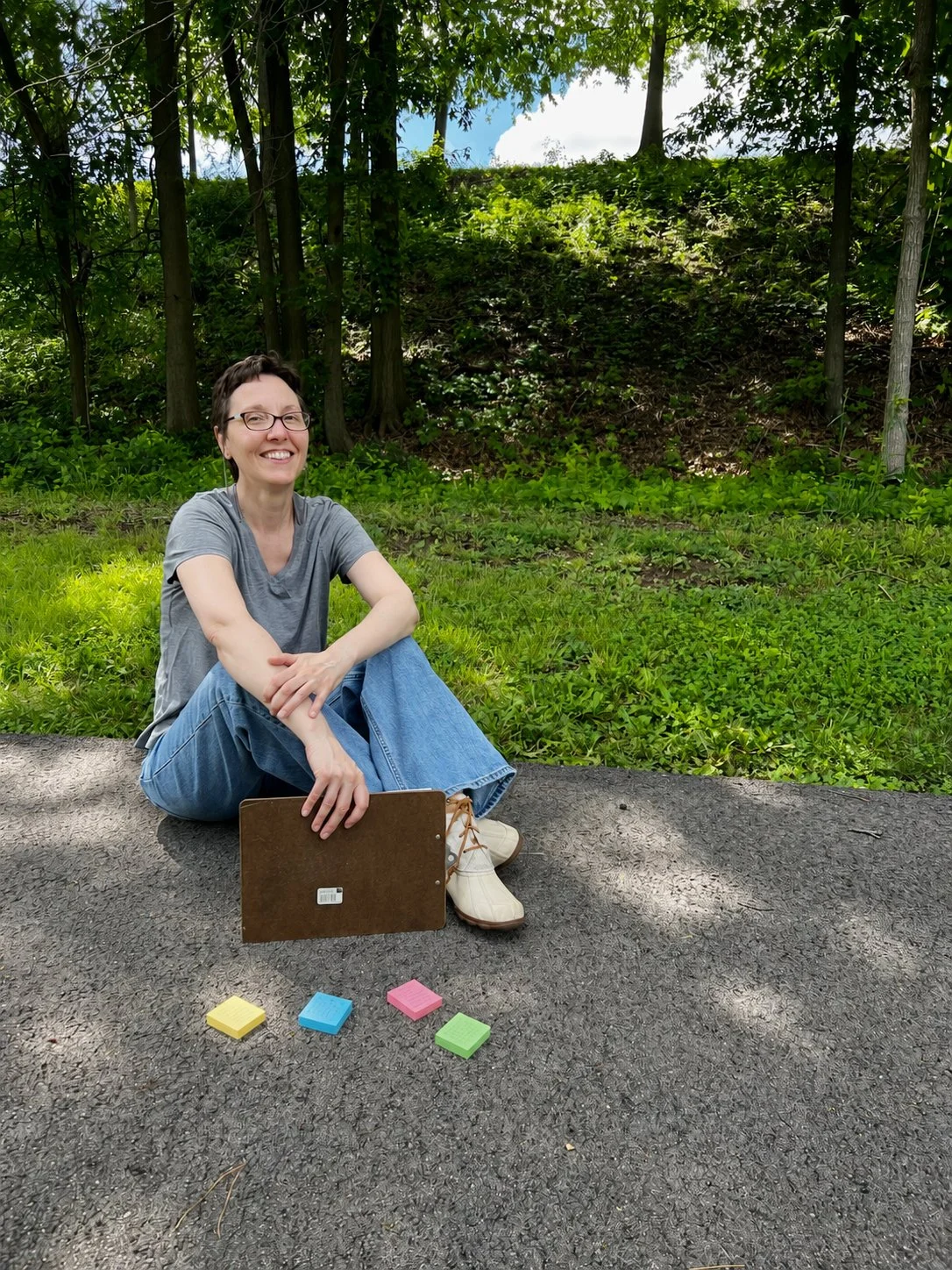
Nicole’s work centers on a single question: what do people notice about the spaces they move through?
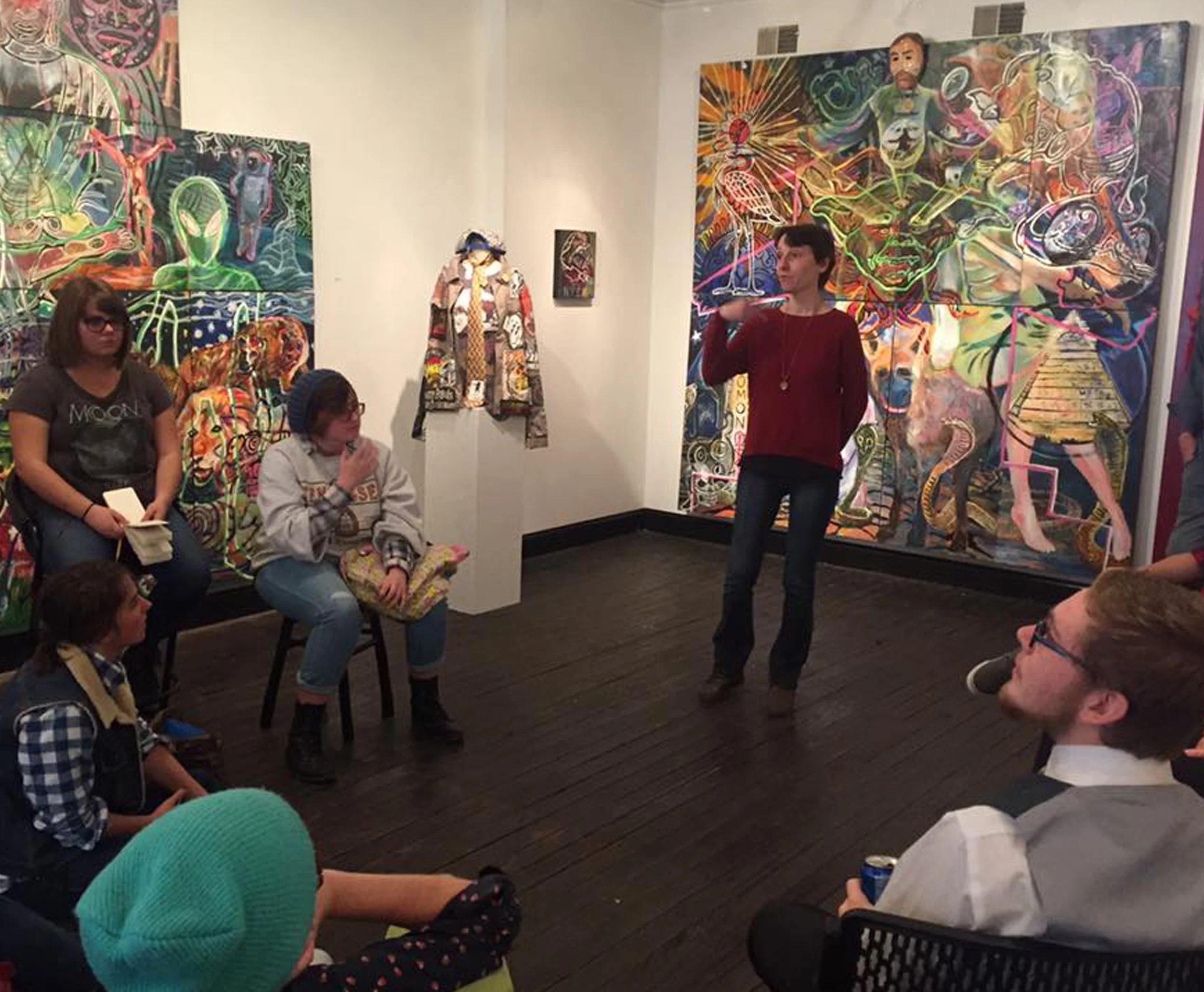
When we opened BoxHeart in 2001, she was running a gallery and she was also, without knowing it yet, running an ongoing perceptual study with a fresh cohort every five weeks. She watched what people did. Where they slowed. What they walked right past. She had no formal methodology for it. That was the beginning of something she didn’t yet have a name for.
Naming it is what her current research is about. Twenty-five years of informal observation like visitor behavior, exhibition rhythm, or the gap between what people feel inside a space and what they can articulate on the way out, formalized into a framework. She is testing it in live conditions now, against BoxHeart’s longitudinal data, building an evidence base for something she’s understood intuitively for years.
-
For twenty-five years, we have approached the same question from different directions: what does it take for a person to really see where they are?
I approach it through painting. Nicole approaches it through observation. Together, our work sits in the space between image and experience.
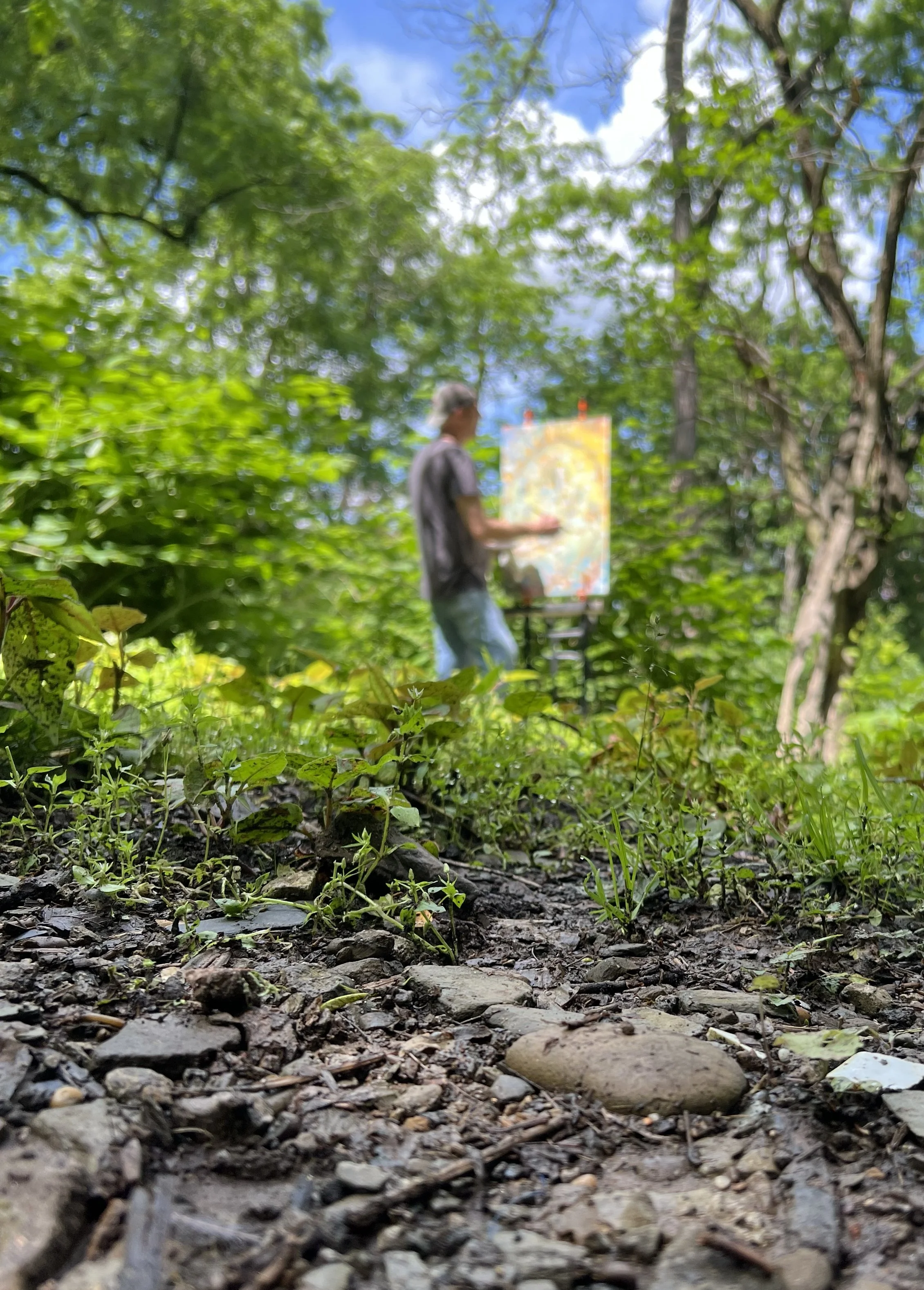
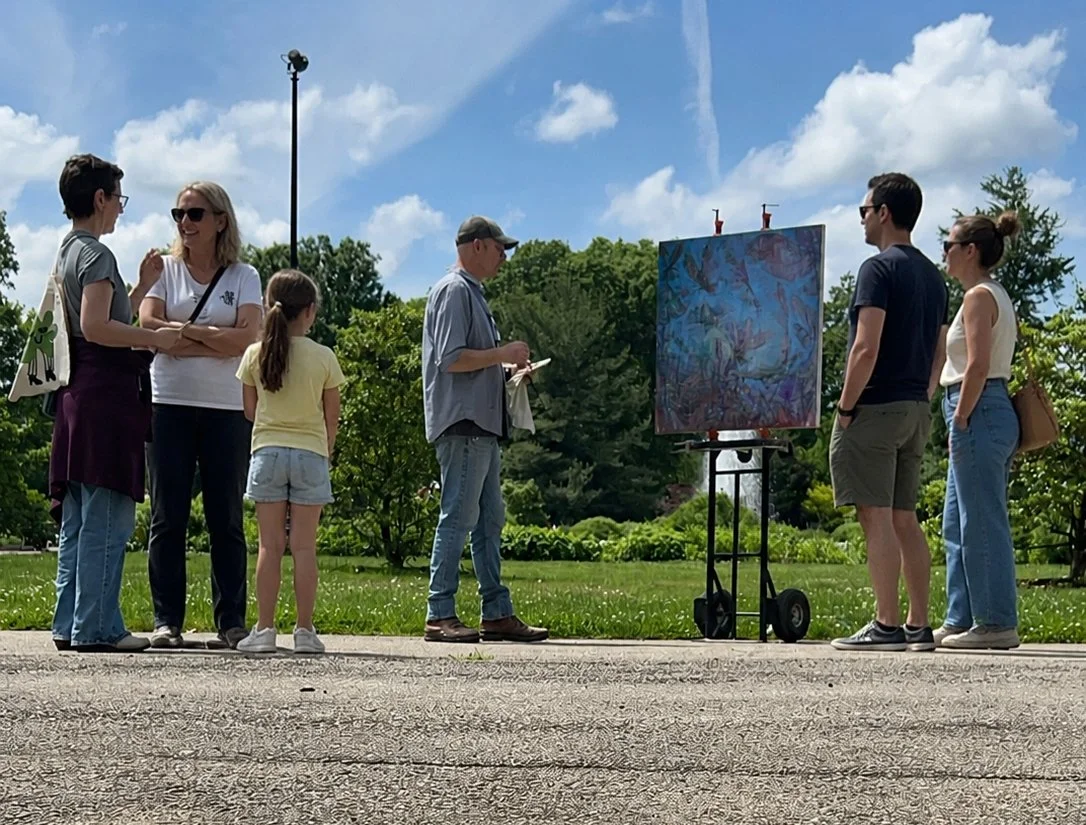
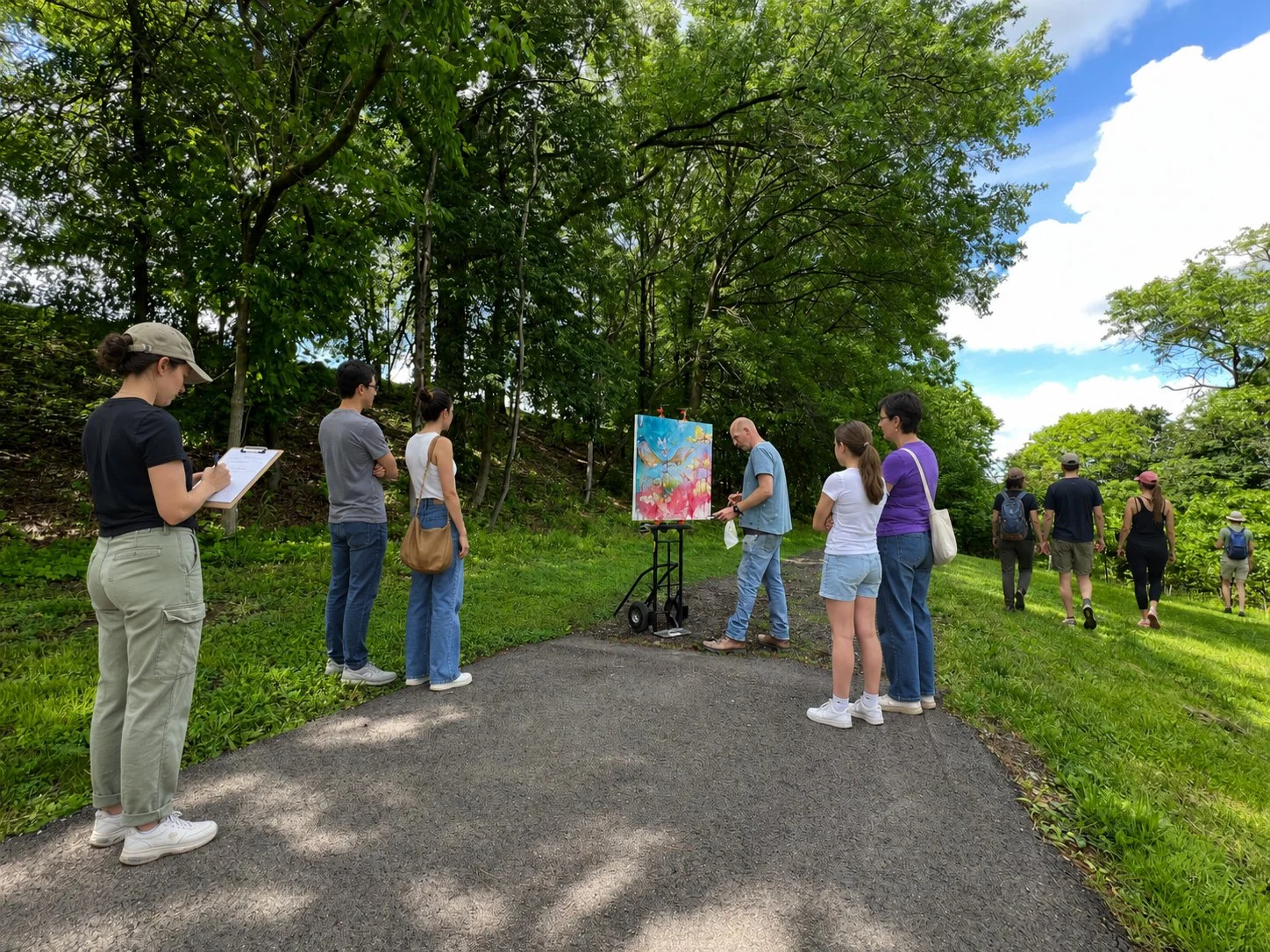
Wayfarers at the Edge of the World is an evolving project exploring how landscapes, artworks, movement, and human attention continuously shape one another. The project asks what people notice when they are inside an environment and how artistic intervention changes the experience of being there.
-
Wayfarers at the Edge of the World is an artistic research project investigating how environmental conditions, sustained observation, and artistic intervention alter human perception of place.
The project combines environmental immersion, painting, participatory perception studies, and observational documentation across environments where landscape, atmosphere, instability, and human systems visibly interact.
What does it take for a person to really see where they are?
The project operates from the belief that perception is not passive. Landscapes are not experienced neutrally, and environments are not encountered equally. Attention is shaped by atmosphere, movement, scale, memory, environmental conditions, cultural systems, and the structures through which people learn what matters inside a space.
-
Field stays prioritize:
sustained presence
repeated observation
environmental acclimation
perceptual change
continuity
Locations are selected for perceptual distinctiveness.
Paintings are created within direct relationship to environmental conditions.
The landscape is treated as an active force shaping:
light
movement
material response
atmosphere
perception
Environmental instability is considered part of the work itself.
The project incorporates public-facing perception studies examining how artistic encounter alters environmental awareness.
Participants are asked:
What do you see here?
How do you feel here?
Responses gathered before and after engagement with artworks are compared to examine perceptual shifts.
Documentation methods may include:
field journals
visitor responses
weather observations
movement studies
installation photography
-
This is a living framework intended to evolve through continued fieldwork, artistic production, and comparative observation.